
A new summer travel warning describes a four-step scam pattern: scan, click, enter payment details and approve. Here is what is confirmed, why QR codes and fake booking messages are risky, and how travelers can protect themselves.
Last checked: June 1, 2026. This article uses NomadLawyer's June 1 travel fraud warning as the primary news source, then cross-checks the guidance against FBI QR-code fraud alerts, FTC travel and rental-scam guidance, BBB travel scam advice, and recent reporting on reservation phishing.
Quick answer
The "4-tap scam" is a travel-fraud shorthand for a fast payment trap: scan, click, enter details, approve payment. It is not one single malware family or one official law-enforcement category. It is a useful way to describe how scammers push travelers through four quick phone actions before they have time to verify the request.
NomadLawyer warned on June 1, 2026 that summer travelers are being targeted through QR codes, fake booking confirmations and reservation-hijacking messages. The pattern fits a broader fraud trend already recognized by the FBI, FTC and BBB: criminals imitate trusted travel touchpoints and pressure travelers into making payments or entering card details through unofficial links.
The safest rule is simple: do not pay from the message or QR code. Leave the link, open the official app or website yourself, and confirm whether the payment request exists there.
What is new in the warning
NomadLawyer's report frames the risk around a "4-tap" user journey. The name matters because it describes the real weakness: travelers are tired, rushed, distracted and already expecting digital steps at airports, hotels, restaurants, rental counters and booking platforms.
The four actions are usually:
- Scan a QR code or open a link.
- Land on a page that looks like a hotel, airline, booking platform or payment portal.
- Enter card details, login credentials, booking data or identity information.
- Approve a payment, card verification or wallet transaction.
The scam works because each step feels normal. Travelers now scan QR codes for menus, Wi-Fi, boarding information, airport maps, check-in, parking, luggage storage, taxi payments and hotel services. Scammers exploit that habit.
The three scam variants travelers should watch
| Variant | How it looks | Main risk |
|---|---|---|
| Fake QR code | A sticker, poster, table tent or printed sign sends the traveler to a fake payment or login page. | Card theft, credential theft, malware, fake fees. |
| Fake booking confirmation | An email or text claims a hotel, airline or rental booking needs payment verification. | The traveler pays criminals or gives away card details. |
| Reservation hijacking | A message uses real booking details, such as hotel name, dates or reference number, to look legitimate. | The traveler trusts the message because some details are accurate. |
The third variant is especially dangerous. A random payment request is easy to doubt. A payment request that includes your real hotel, dates and booking reference feels more credible.
Why QR codes are a blind spot
QR codes are convenient, but they hide the destination until after the user scans. That makes them useful for "quishing," or phishing through QR codes.
The FBI warned in July 2025 about fraud schemes using QR codes to direct people to sites that collect personal and financial information or push malicious downloads. The FBI's alert was about unsolicited packages, not hotels specifically, but the advice transfers directly to travel: do not scan QR codes from unknown origins, and take precautions before granting phone permissions or entering data.
Travel adds extra risk because QR codes appear in places that already feel official:
- Airport signs and shuttle stops.
- Hotel lobbies and elevators.
- Restaurant tables and beach bars.
- Parking meters and luggage lockers.
- Tourist attractions and event venues.
- Rental counters and apartment check-in instructions.
The physical location can create false trust. A QR sticker on a hotel counter is still just a sticker unless staff confirm it is legitimate.
Why summer travelers are easier targets
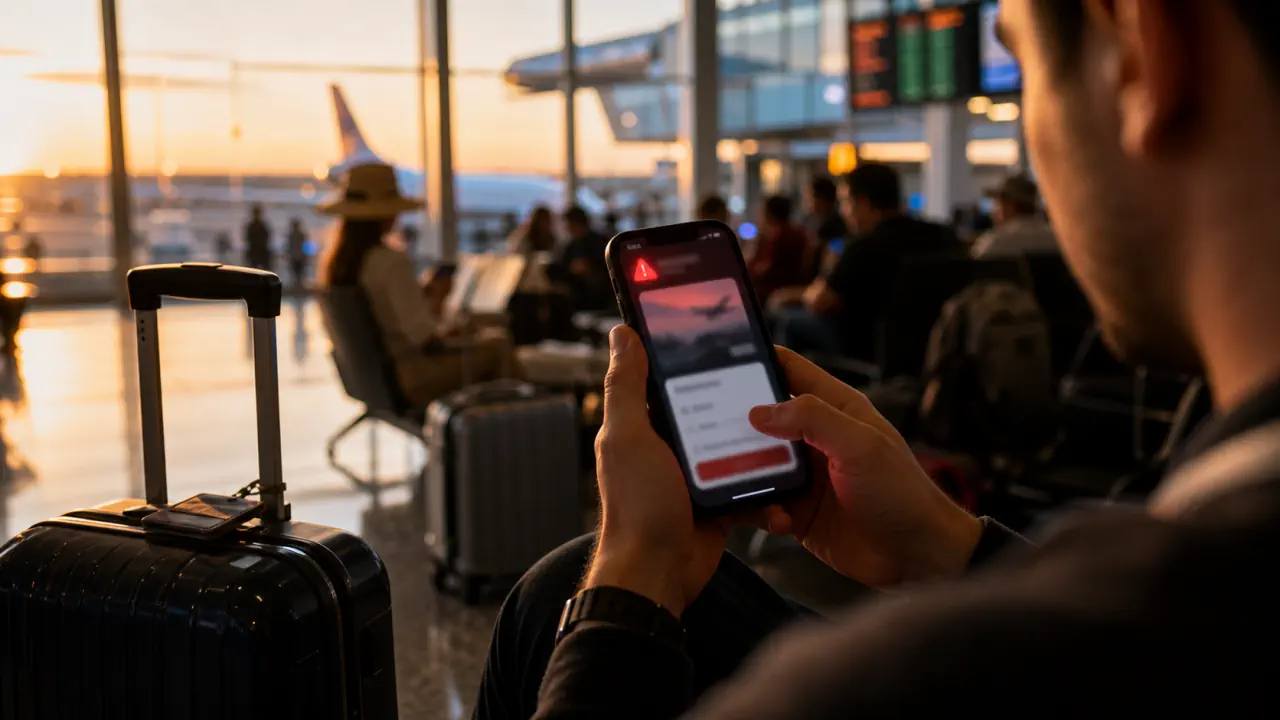
Travel fraud is effective because the victim is already under time pressure. A traveler may be in a taxi queue, at a front desk, on roaming data, carrying luggage, managing children, dealing with a delayed flight or trying to avoid losing a room.
Scammers exploit five conditions:
- Fatigue: travelers are less likely to inspect URLs after flights or long drives.
- Urgency: messages claim the room, flight or rental will be canceled soon.
- Context: a payment request appears near a real trip, so it feels plausible.
- Small screens: phone browsers make fake domains and payment forms harder to inspect.
- Payment habit: mobile wallets and saved cards make approvals fast.
That is why the "4-tap" label is useful. The scam is designed to compress decision-making.
Fake booking confirmations and reservation hijacking
Fake booking confirmations are not new, but they are becoming harder to spot because criminals can copy real brand templates and sometimes use accurate travel details.
The FTC has warned for years that vacation rental scams can take people's money and leave them with nowhere to stay. In a December 2025 data spotlight, the FTC said people had reported nearly 65,000 rental scams since 2020, with about $65 million in reported losses. The FTC also noted that underreporting means the real harm is likely higher.
Recent reporting around Booking.com-style scams shows why reservation data matters. The Guardian reported in 2025 that travelers had received messages claiming their reservation was at risk and asking for payment or card details. ABC News and other outlets reported in April 2026 that Booking.com warned some customers about possible reservation-data exposure, advising users to be cautious about phishing attempts.
The lesson is not "never use booking platforms." The lesson is that accurate booking details do not prove a message is safe.
Red flags before you tap approve
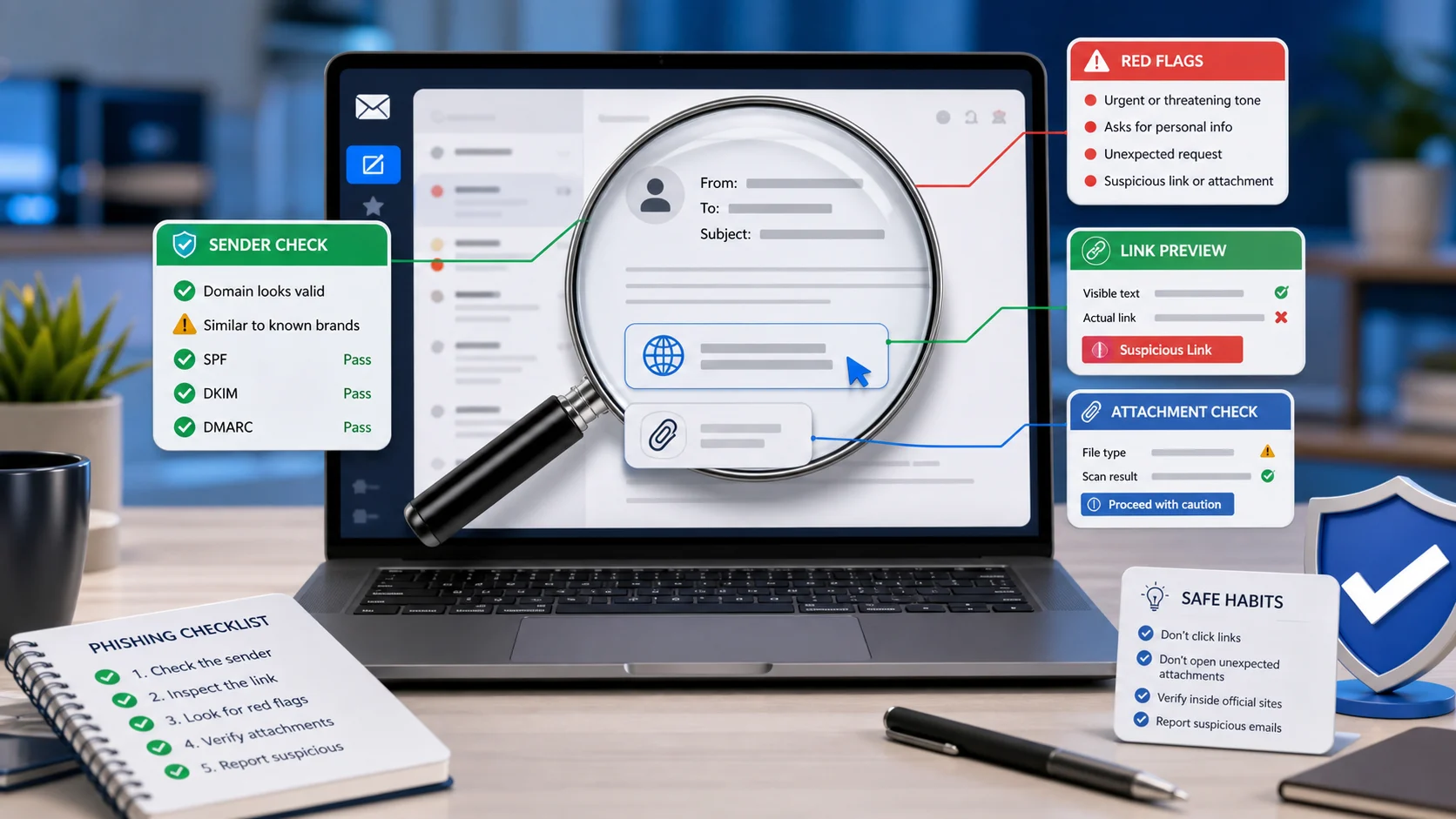
Treat the request as suspicious if it includes any of these signals:
| Red flag | Why it matters |
|---|---|
| "Your booking will be canceled in 30 minutes" | Artificial urgency is a classic pressure tactic. |
| Payment link in email, SMS, WhatsApp or QR code | Legitimate providers usually show balances inside official accounts. |
| A request to leave the platform | Scammers want you away from platform protections and message records. |
| New security deposit not shown in the original booking terms | Surprise payments should be verified with the hotel or platform. |
| Card "verification" that charges money | Verification pages can be fake payment pages. |
| A QR code sticker over another sticker | Physical tampering is a known QR-code risk. |
| Payment by bank transfer, gift card, crypto or unfamiliar processor | These routes are harder to reverse. |
The 60-second verification rule
Before paying, take one minute:
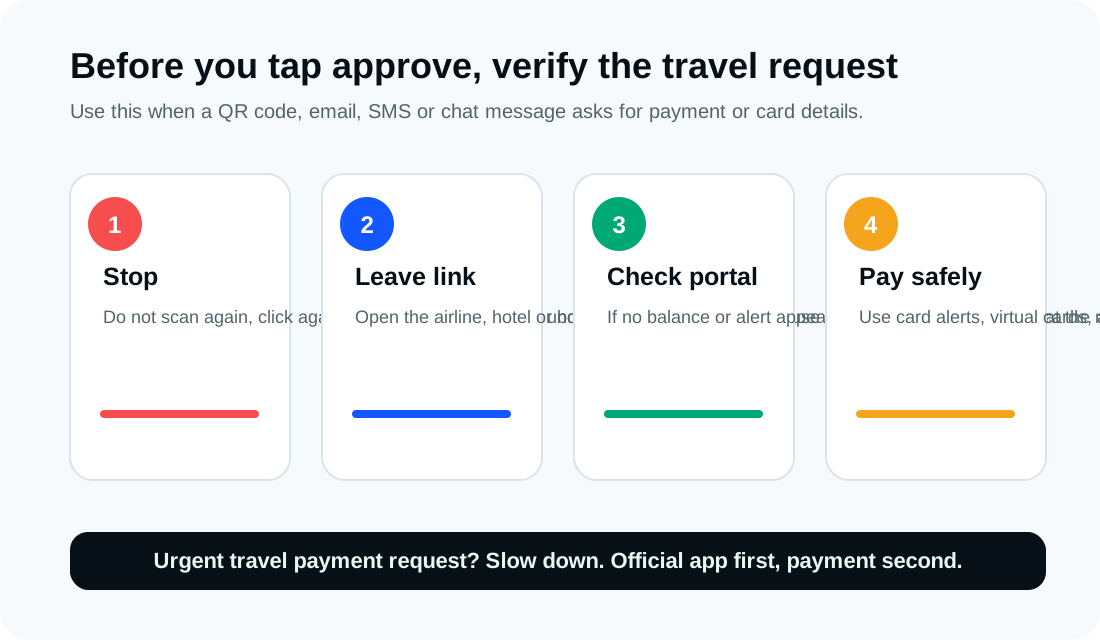
- Stop using the QR code, link or number in the message.
- Open the official airline, hotel, rental platform or booking app yourself.
- Check whether the same payment request appears in your account.
- Call the hotel or travel provider using a number from the official website, not the suspicious message.
- Pay only through the official checkout or verified front desk.
If the payment request disappears when you leave the link, that is your answer.
How to safely use QR codes while traveling
You do not need to stop using QR codes entirely. You need a verification habit.
- Do not scan QR codes printed on loose paper, stickers, random signs or unsolicited messages.
- If a QR code asks for payment, ask staff to confirm it before entering card details.
- Preview the URL before opening it, if your phone shows a preview.
- Look for misspelled domains, extra words, strange subdomains and URL shorteners.
- Avoid logging into email, banking or booking accounts from a QR code.
- Keep your phone browser, banking app and travel apps updated.
- Use transaction alerts and a travel card or virtual card with limits.
For restaurant menus, tourist information or hotel Wi-Fi instructions, a QR code may be low risk. For payments, identity documents, card details or account logins, the risk is much higher.
What travelers should do before departure
Set up these protections before the airport:
- Save official airline, hotel, rental-car, bank and booking-platform numbers.
- Install official travel apps before leaving home.
- Turn on card and bank transaction alerts.
- Use a credit card or virtual card instead of debit where practical.
- Check reservation payment terms and screenshot them.
- Confirm whether the hotel charges deposits, resort fees or pre-authorization holds.
- Use strong, unique passwords and multi-factor authentication on booking accounts.
- Avoid public Wi-Fi for payments unless using a trusted network and a secure connection.
What to do if you already tapped
If you entered card details, credentials or payment information:
- Call your bank or card issuer immediately and say the charge or card entry may be fraudulent.
- Ask whether the transaction can be reversed, blocked or replaced.
- Freeze or replace the card if needed.
- Change the password for the affected travel, email or payment account.
- Turn on multi-factor authentication if it was not already enabled.
- Save screenshots, URLs, QR-code photos, messages, receipts and transaction IDs.
- Report the scam to the travel company, booking platform, hotel, FTC at ReportFraud.ftc.gov, BBB Scam Tracker, and IC3 if cybercrime or credential theft was involved.
The FTC advises contacting the payment provider as soon as possible, because reversal options depend heavily on how the payment was made. Credit cards and some debit transactions may be easier to dispute than wire transfers, gift cards or cryptocurrency.
What hotels and travel operators should do
Travel companies should treat QR codes and booking messages as part of security operations, not just customer service.
Practical controls:
- Check public QR codes daily for sticker tampering.
- Put short official URLs next to QR codes so guests can compare.
- Avoid using URL shorteners for payment or login pages.
- Train front-desk staff to answer payment-verification questions.
- Keep guest communication inside official channels where possible.
- Warn guests that payment links outside official systems are suspicious.
- Use multi-factor authentication for booking platform and property management accounts.
- Review who can message guests and reset payment instructions.
- Monitor for lookalike domains and fake hotel pages.
Reservation hijacking often starts with compromised hotel or partner accounts. That makes hotel-side phishing training just as important as traveler awareness.
What is confirmed and what remains unclear
Confirmed:
- NomadLawyer published a June 1, 2026 warning describing the "4-tap" travel-scam pattern.
- The FBI has warned the public about QR-code fraud schemes that collect financial data or push malicious software.
- The FTC has repeatedly warned about travel and rental scams, including fake vacation rental listings.
- BBB guidance identifies vacation rentals, fake booking sites, hotel Wi-Fi and travel impersonation as recurring travel-scam risks.
- Recent media reports show that booking-related phishing can use accurate reservation details, making scams harder to identify.
Unclear:
- There is no public law-enforcement data yet showing "4-tap scam" as a separate statistical category.
- The scale of the exact summer 2026 QR-code travel variant is not independently quantified.
- Individual scam recovery depends on payment method, bank rules, platform policy and local law.
That means readers should treat "4-tap scam" as a warning label for a behavior pattern, not as proof of one centralized criminal campaign.
Bottom line
The 4-tap scam works because travel makes people move fast. Scammers want the traveler to scan, click, enter and approve before the brain catches up.
Your defense is to break the chain. Do not pay from the QR code or message. Open the official app or website yourself, verify the request, and only then decide.
Summer travel is stressful enough. A five-minute verification pause is cheaper than a ruined trip.
Sources
- NomadLawyer: 4-Tap Scam Alert: How Fraudsters Are Targeting Summer Travelers, June 1, 2026.
- FBI: Unsolicited Packages Containing QR Codes Used to Initiate Fraud Schemes, July 31, 2025.
- FTC: FTC Warns Consumers about Vacation Rental Scams, July 2, 2018.
- FTC Data Spotlight: Rental scams hit home with $65 million in reported losses, December 2025.
- FTC: What To Do if You Were Scammed.
- BBB: Top 5 vacation scams to avoid.
- The Guardian: Your reservation is at risk: beware the Booking.com scam, June 29, 2025.
- ABC News: Booking.com warns customers of possible data and security breach, April 13, 2026.
Before you move on
Consumer scam response. Use this short checklist to turn the article into action.
- Do not reply with OTPs, login codes, or recovery phrases.
- Verify urgent requests through a separate trusted channel.
- Warn contacts quickly if your account may have been used.
This guide is written for practical user safety. For account, platform, or legal decisions, confirm critical steps with the official help center or your service provider.