Last checked: November 24, 2026. This report is based on the official NVIDIA Newsroom announcement, NVIDIA Corporation's November 23, 2026 SEC Form 8-K filing, U.S. equity closing data for November 23, 2026, and public reporting from major financial outlets.
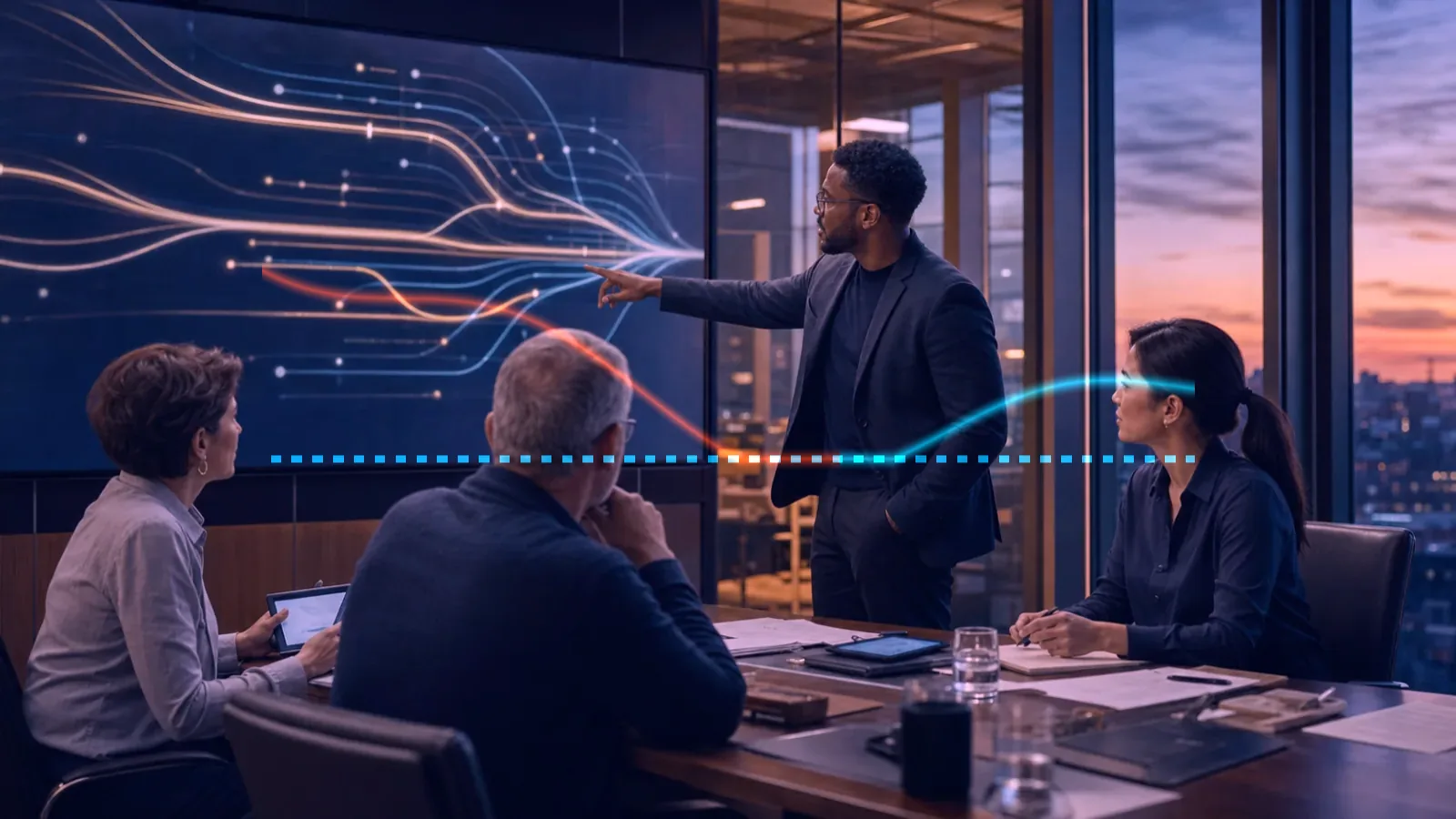
Jensen Huang is back at the helm of Nvidia. In one of the fastest and most consequential corporate reversals in Wall Street history, NVIDIA's Board of Directors voted unanimously on Monday, November 23, 2026, to reinstate co-founder Jensen Huang as President, Chief Executive Officer, and member of the Board of Directors, effective immediately—just 11 days after his abrupt November 12 resignation sent global semiconductor stocks and U.S. equity benchmarks tumbling.
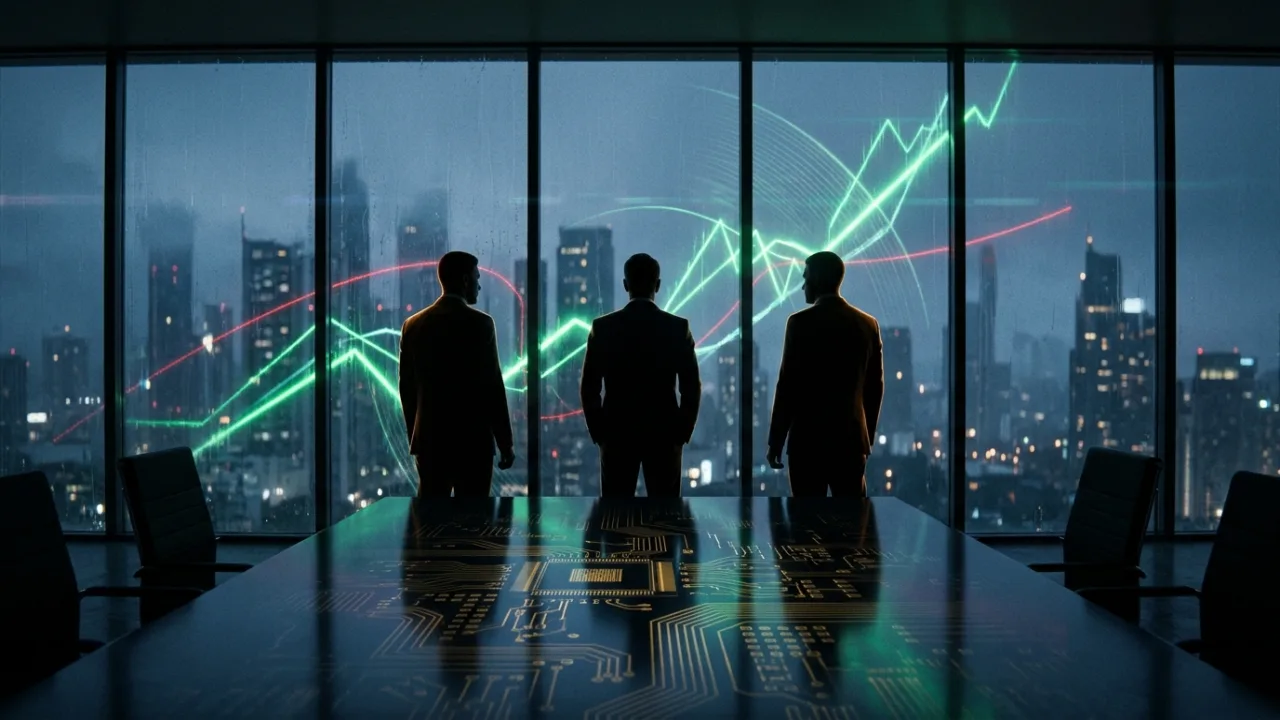
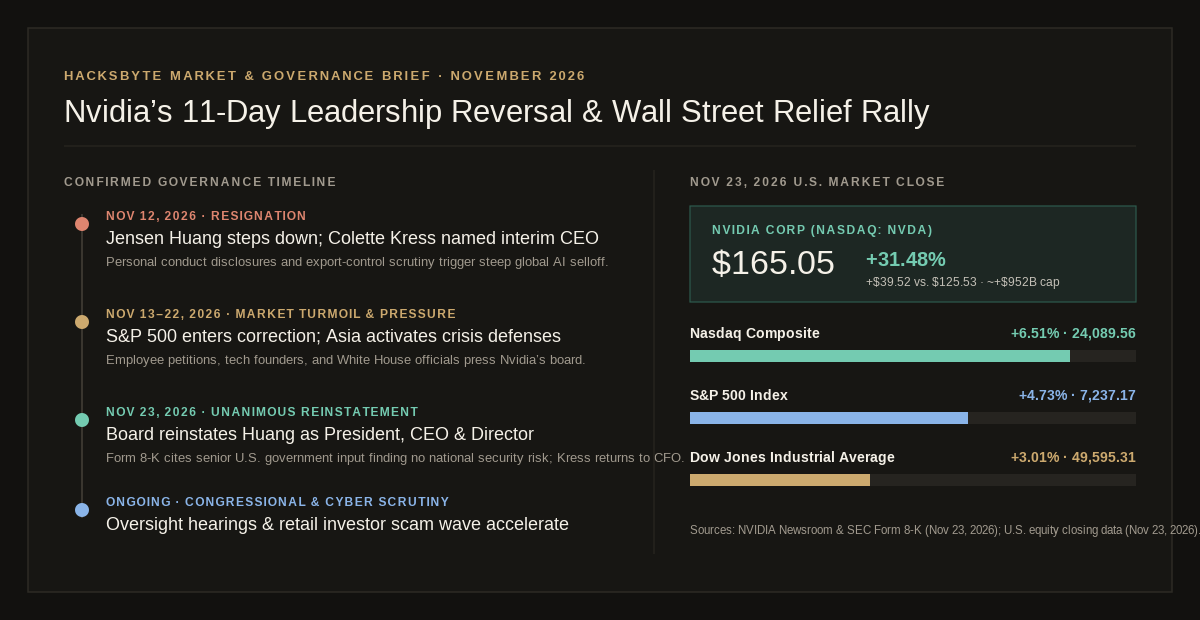
The surprise premarket announcement—confirmed through the NVIDIA Newsroom and an accompanying SEC Form 8-K—triggered an extraordinary relief rally across U.S. stock futures and regular trading. Nvidia stock (NASDAQ: NVDA) surged 31.48% to close at $165.05, adding roughly $952 billion in market capitalization in a single session, while dragging the Nasdaq Composite (+6.51%), S&P 500 (+4.73%), and Dow Jones Industrial Average (+3.01%) sharply higher.
Yet the rally is only half of the story. Behind the headline market rebound sits an unprecedented convergence of corporate governance, U.S. national security assurances, direct presidential backing on Truth Social, active congressional oversight, and a fast-moving wave of cybercrime and deepfake investment scams exploiting retail traders searching for live $NVDA charts and breaking Jensen Huang headlines.
Quick Summary: What Happened and Why Markets Surged
- Unanimous Board Reinstatement: NVIDIA's board voted unanimously on November 23, 2026, to reinstate Jensen Huang as President, CEO, and Board Director, effective immediately. Board Chair Harvey C. Jones remains chairman, while Colette Kress concluded her brief tenure as interim CEO and returned to her role as Executive Vice President and Chief Financial Officer (CFO).
- U.S. Government Security Assurances: In its official disclosure, NVIDIA's board stated that it was satisfied with Huang's "candor and ability to lead NVIDIA" and noted that it received input from "senior levels of the United States government" indicating that his reinstatement "poses no national security risk."
- Historic Single-Day Market Rally (NVDA, Nasdaq, S&P 500, Dow): After closing at $125.53 on Friday, November 20, NVDA soared +$39.52 (+31.48%) on Monday, November 23 to finish at $165.05. The Nasdaq Composite climbed 1,471.83 points (+6.51%) to 24,089.56, the S&P 500 gained 326.78 points (+4.73%) to 7,237.17 (exiting correction territory), and the Dow Jones Industrial Average jumped 1,447.98 points (+3.01%) to 49,595.31.
- Political Backing vs. Ongoing Oversight: President Donald Trump publicly championed Huang's return on Truth Social and confirmed direct engagement with the board, stating the administration and Department of Justice found no evidence of unlawful conduct or national security danger. However, bipartisan U.S. lawmakers have signaled that congressional inquiries remain active.
- Immediate Cybercrime Warning for Investors: Threat analysts warn that viral $NVDA search volume, premarket futures swings, and social memes are being weaponized by fraudsters pushing AI-cloned Jensen Huang and "Truth Social stock signal" giveaways, fake brokerage alerts, and phishing links.
Confirmed Facts vs. What Remains Unresolved
Because breaking leadership reversals and volatile stock sessions routinely spawn rumors across social feeds, trading forums, and video clips, readers should separate what is officially confirmed from what remains open to legal, political, or market review:
| Topic | Confirmed as of November 24, 2026 | Still Unresolved or Under Review |
|---|---|---|
| Executive Leadership | NVIDIA's board unanimously reinstated Jensen Huang as President, CEO, and Board Director; Colette Kress returned to CFO; Harvey C. Jones remains Board Chair. | Whether NVIDIA introduces additional board-level compliance or executive-disclosure guardrails following the 11-day crisis. |
| National Security Input | NVIDIA's press release and SEC Form 8-K confirm the board received input from senior U.S. government officials concluding Huang's return poses "no national security risk." | Public details of the underlying intelligence review and whether U.S. export-control enforcement rules for AI chips tighten further. |
| Wall Street Market Close | On Nov 23, 2026, NVDA closed at $165.05 (+31.48%); Nasdaq closed at 24,089.56 (+6.51%); S&P 500 at 7,237.17 (+4.73%); Dow at 49,595.31 (+3.01%). | Whether post-rally volatility persists into year-end as institutional investors weigh governance risk against AI infrastructure demand. |
| Political & Regulatory Scrutiny | President Donald Trump publicly backed Huang on Truth Social and confirmed speaking with the board; lawmakers raised oversight concerns. | Potential testimony, document requests, or committee hearings before U.S. House panels and the Senate Banking Committee. |
The 11-Day Timeline: From Sudden Resignation to Historic Reversal
Understanding why Nvidia stock swung by nearly $1 trillion in a single session requires tracing how rapidly the crisis unfolded between November 12 and November 23, 2026—and how tightly global equities have become tethered to a single semiconductor architect.
1. November 12, 2026: The Resignation That Rattled Global AI Markets
Huang initially stepped down on November 12, 2026, after disclosures involving personal relationships violated NVIDIA's corporate code of conduct. Major U.S. newspapers reported that the disclosures included extramarital relationships with subordinates as well as a relationship with a Singapore-based businesswoman who had drawn scrutiny from U.S. officials over alleged ties to foreign intelligence—raising urgent questions inside Washington and Silicon Valley because NVIDIA sits at the center of U.S. export controls governing frontier AI silicon.
CFO Colette Kress stepped in as interim CEO, while NVIDIA's board initially gave no signal that Huang would return. Markets reacted violently: investors dumped AI infrastructure equities across Wall Street and East Asia, pulling the S&P 500 into correction territory and forcing financial authorities in South Korea, Taiwan, and China to activate crisis defenses—a regional shock we tracked in our report on Asian regulators stepping up efforts to calm AI-driven market turmoil.
2. November 13–22, 2026: Internal Petitions, Silicon Valley Lobbying, and Truth Social
Over the ensuing ten days, pressure on NVIDIA's board built from three directions simultaneously:
- Employee & Ecosystem Pushback: Thousands of NVIDIA employees signed internal petitions calling for Huang's return, while prominent technology founders and investors—including Elon Musk—argued publicly that Huang's technical leadership and partner relationships were irreplaceable during the ramp of next-generation AI rack architectures.
- White House & Truth Social Intervention: President Donald Trump publicly championed Huang's reinstatement on Truth Social, praising him as an essential American technology leader and asserting that the administration and Department of Justice had found no unlawful conduct or national security bar to his return. Trump later confirmed he spoke directly with NVIDIA's board during the deliberations.
- Structural Chip Dependency: Cloud hyperscalers and enterprise buyers had little short-term alternative to NVIDIA's full-stack ecosystem—a structural lock-in examined in our deep dive on why Nvidia's grip on AI through CUDA and Vera Rubin is so hard to break.
3. November 23, 2026: Unanimous Reinstatement and Premarket Futures Explosion
Before the U.S. opening bell on Monday, November 23, NVIDIA issued its press release and SEC Form 8-K confirming the board's unanimous vote to bring Huang back immediately. NVDA premarket shares and S&P 500 / Nasdaq futures spiked violently within minutes as algorithmic funds covered short positions and institutional desks rotated back into semiconductor leaders.
By the 4:00 p.m. Eastern close, Wall Street had logged one of its sharpest single-day relief rallies in modern market history:
- NVIDIA (NVDA): Closed at $165.05, up $39.52 (+31.48%) from Friday's $125.53 close, restoring roughly $952 billion in equity value in one trading session.
- Nasdaq Composite: Surged +1,471.83 points (+6.51%) to 24,089.56, propelled by chipmakers, server OEMs, and cloud hyperscalers.
- S&P 500: Climbed +326.78 points (+4.73%) to 7,237.17, lifting the benchmark back out of technical correction.
- Dow Jones Industrial Average: Advanced +1,447.98 points (+3.01%) to 49,595.31, as broader fears of an AI-triggered economic slowdown receded.
Media, Political, and Corporate Governance Fallout
Across Bloomberg, CNBC, Fox Business, and Yahoo Finance, analysts framed the session as both an unmistakable vote of confidence in Huang's operational command and a stress test of modern corporate governance.
On live television, the abruptness of the board's U-turn sparked a viral broadcast moment when MS NOW Money Power Politics anchor Stephanie Ruhle reacted on air with a stunned exclamation as the news broke, before leading sharp panel scrutiny over whether political intervention and stock-market pressure had overridden traditional corporate governance standards. Similar questions echoed across Capitol Hill, where bipartisan lawmakers warned that congressional oversight—spanning U.S. House committees and the Senate Banking Committee—will continue examining how executive-branch assurances intersected with a public company's board review and U.S. semiconductor export controls.
For technology leaders and institutional investors, the episode also highlights key-person concentration risk at a scale rarely seen in corporate history. As we noted in our Nvidia earnings and options volatility analysis and AI semiconductor supply-chain guide, when a single executive's departure or return can move global stock indices by trillions of dollars in 11 days, succession planning and counterintelligence hygiene become systemic market concerns—not merely internal HR matters.
Why National Security and Cyber-Governance Were Central to This Crisis
Even though NVIDIA's board stated that senior U.S. government input satisfied its national security concerns, cybersecurity and counterintelligence specialists emphasize why senior executives at frontier AI chipmakers are among the highest-value human intelligence (HUMINT) and cyber-espionage targets in the world:
- Export-Control & Routing Sensitivity: Advanced AI accelerators, high-bandwidth memory allocations, and firmware roadmaps sit at the heart of U.S. national security export controls. Any undisclosed channel, compromised personal device, or vulnerable relationship involving an executive with visibility into supply-chain allocations triggers immediate counterintelligence risk assessments.
- Executive OpSec & Social Engineering: Nation-state actors routinely combine cyber surveillance—spyware, credential harvesting, and compromised personal messaging apps—with real-world relationship targeting to gain leverage over C-suite leaders at semiconductor, defense, and frontier AI firms.
- Board-Level Disclosure Controls: Corporate security governance increasingly requires independent verification of executive travel, personal device hardening, and conflict-of-interest disclosures before rumors can leak into public markets and trigger forced liquidations.
Cybercrime Alert: How Scammers Are Exploiting the Jensen Huang & $NVDA Surge
Whenever a single stock moves more than 30% in a day and dominates global search trends—spanning "NVDA stock price live," "Nvidia premarket," "Trump Truth Social," "Jensen Huang is back," and viral Jensen Huang memes—cybercriminals immediately launch coordinated financial fraud campaigns to hijack retail investor attention.
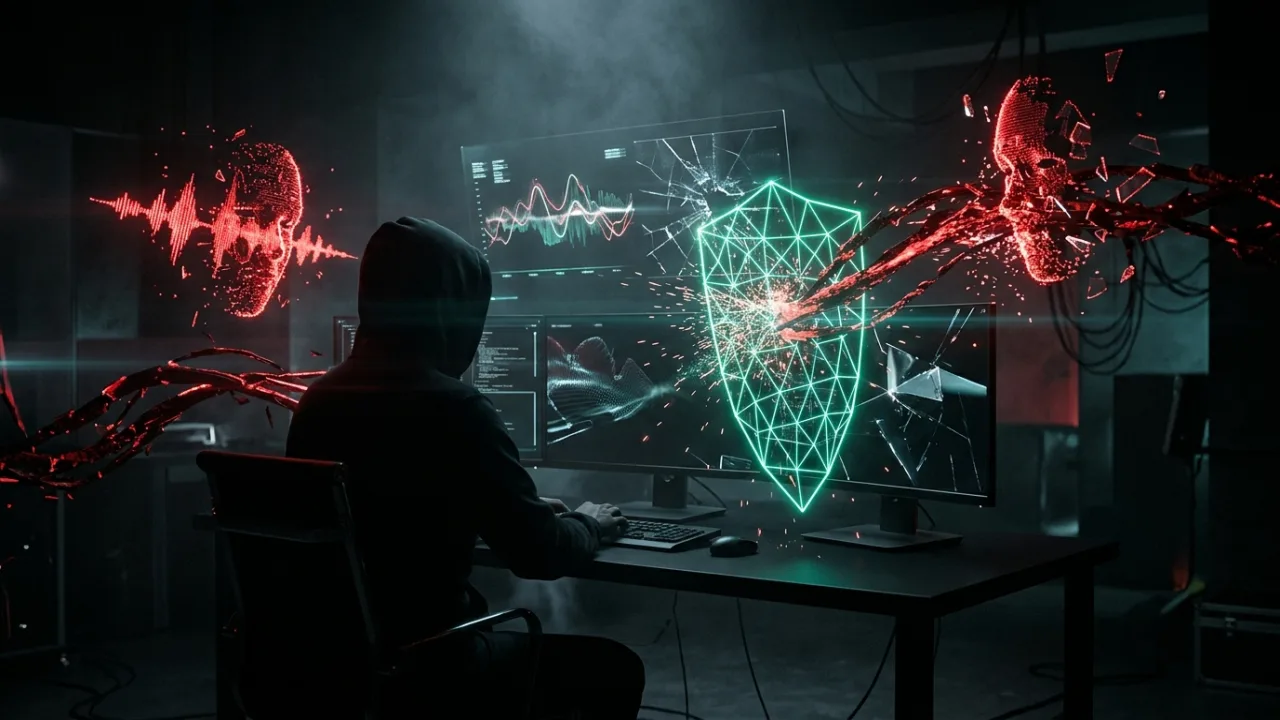
Security researchers and digital-safety desks warn retail traders and everyday users to watch for four active threat patterns tied to the November 2026 Nvidia rally:
1. AI Deepfake "Jensen Huang" and "Truth Social NVDA Signal" Giveaways
Fraudsters rapidly deploy AI-cloned video and voice ads across YouTube, X, Instagram, and Facebook impersonating Jensen Huang or referencing President Trump's Truth Social posts. These ads promise "emergency NVDA shareholder bonuses," "pre-split AI chip allocations," or "verified crypto-to-NVDA doubling events" if victims connect a wallet or transfer funds. Review our AI voice-cloning scam defense guide to spot synthetic audio and video artifacts immediately.
2. Fake Premarket & Futures Signal Groups on WhatsApp and Telegram
Scammers hijack trending searches like "NVDA premarket," "CNBC futures," "Yahoo Finance," and "Forex Factory" through sponsored search ads and social media comment bots. Victims are funneled into private WhatsApp or Telegram "institutional AI stock recovery rooms" run by fake analysts who showcase doctored +31% NVDA profit screenshots before steering members onto fraudulent offshore trading apps—a classic pig-butchering workflow. Check our WhatsApp verification code and impersonation scam warning if anyone asks you to verify a trading group code.
3. Lookalike SEC 8-K & Brokerage Phishing Links
During high-volatility sessions, attackers send urgent emails and SMS alerts disguised as brokerage trade confirmations, margin-release notices, or "leaked NVIDIA SEC Form 8-K PDFs." Clicking the link opens a credential-harvesting clone designed to capture brokerage passwords and real-time SMS two-factor codes—techniques detailed in our vishing vs. smishing breakdown and post-click phishing recovery checklist.
4. Spoofed $NVDA Meme Coins and Fake "Jensen Is Back" Tokens
Within hours of viral "Jensen is back" memes circulating online, opportunistic scammers deploy unauthorized decentralized tokens using Nvidia's name or Huang's likeness, pumping fake volume with wash-trading bots before draining liquidity pools. NVIDIA is a publicly traded corporation listed on the Nasdaq under ticker NVDA—it does not issue promotional meme coins or retail giveaway tokens.
What Investors, Enterprise Buyers, and Everyday Users Should Do Next
Whether you hold technology equities, manage enterprise AI procurement, or simply follow breaking market news, take these four practical steps now:
- Verify Market & Corporate Disclosures Only at Primary Sources: Confirm corporate governance changes directly via NVIDIA Newsroom and the U.S. SEC EDGAR database, rather than screenshots circulating on social media or unverified trading chats.
- Lock Down Brokerage & Email Accounts With Passkeys: High-volatility news weeks are peak season for account takeovers. Replace SMS one-time codes with phishing-resistant hardware keys or passkeys instead of passwords, and verify your primary email recovery settings using our Google Account security checklist.
- Ignore Every Unsolicited "NVDA Premarket" or "Truth Social" Trading Tip: Neither NVIDIA executives, financial TV anchors, nor government officials recruit retail investors into private WhatsApp, Telegram, or social media investment groups.
- Monitor Congressional Oversight & Enterprise Supply Continuity: For CIOs and AI engineering teams, Huang's return stabilizes near-term GPU roadmap execution, but continuing U.S. export-control debates and congressional inquiries mean multi-cloud resilience and structured AI governance remain essential—see our guide on how to manage AI investments in the agentic era.
Frequently Asked Questions
Was Jensen Huang officially reinstated as CEO of Nvidia?
Yes. On November 23, 2026, NVIDIA's Board of Directors announced a unanimous vote reinstating Jensen Huang as President, Chief Executive Officer, and member of the Board of Directors, effective immediately. Interim CEO Colette Kress returned to her role as CFO, while Harvey C. Jones remained Board Chair.
How much did Nvidia stock (NVDA), the Nasdaq, S&P 500, and Dow Jones rise on November 23, 2026?
On Monday, November 23, 2026, NVIDIA (NASDAQ: NVDA) surged 31.48% (+$39.52) to close at $165.05, up from $125.53 on November 20 and adding roughly $952 billion in market value. Across major U.S. benchmarks, the Nasdaq Composite rose 6.51% to 24,089.56, the S&P 500 gained 4.73% to 7,237.17, and the Dow Jones Industrial Average climbed 3.01% to 49,595.31.
Why did Jensen Huang leave Nvidia earlier in November 2026?
Jensen Huang resigned on November 12, 2026, following disclosures regarding personal relationships that violated company code-of-conduct standards, including a reported relationship with a Singapore-based businesswoman scrutinized by U.S. officials over alleged foreign intelligence ties amid U.S. semiconductor export-control tensions.
What role did President Donald Trump and the U.S. government play in Jensen Huang's return?
President Donald Trump publicly championed Huang's reinstatement on Truth Social and confirmed speaking with NVIDIA's board, stating the administration and Department of Justice found no unlawful conduct or national security risk. In its official press release and SEC Form 8-K, NVIDIA's board confirmed it received input from senior levels of the U.S. government concluding Huang's return poses no national security risk, though bipartisan lawmakers have signaled continued congressional oversight.
How can retail investors avoid scams tied to Nvidia stock and Jensen Huang news?
Never click urgent SMS or email links claiming brokerage margin calls or leaked SEC filings, never join WhatsApp or Telegram groups promising premarket $NVDA tips or AI giveaways, ignore meme tokens using Nvidia's or Huang's name, and protect brokerage logins with passkeys or hardware security keys.
Related HacksByte Coverage & Primary Sources
- Primary Announcement: NVIDIA Board Reinstates Jensen Huang as President, CEO, and Board Director (NVIDIA Newsroom)
- Regulatory Filings: U.S. SEC EDGAR Company Filings Search
- Related HacksByte Reporting: Why Nvidia's Grip on AI Is So Hard to Break: CUDA, Vera Rubin & Cyber Risks
- Regional Market Context: Asian Regulators Step Up Efforts to Calm AI Market Turmoil
- Investor Security: What to Do After Clicking a Phishing Link and AI Voice-Cloning Scams: How to Protect Yourself
This reporting reflects the publication and update dates above. Check the linked sources for subsequent developments. How we source coverage · Request a correction.